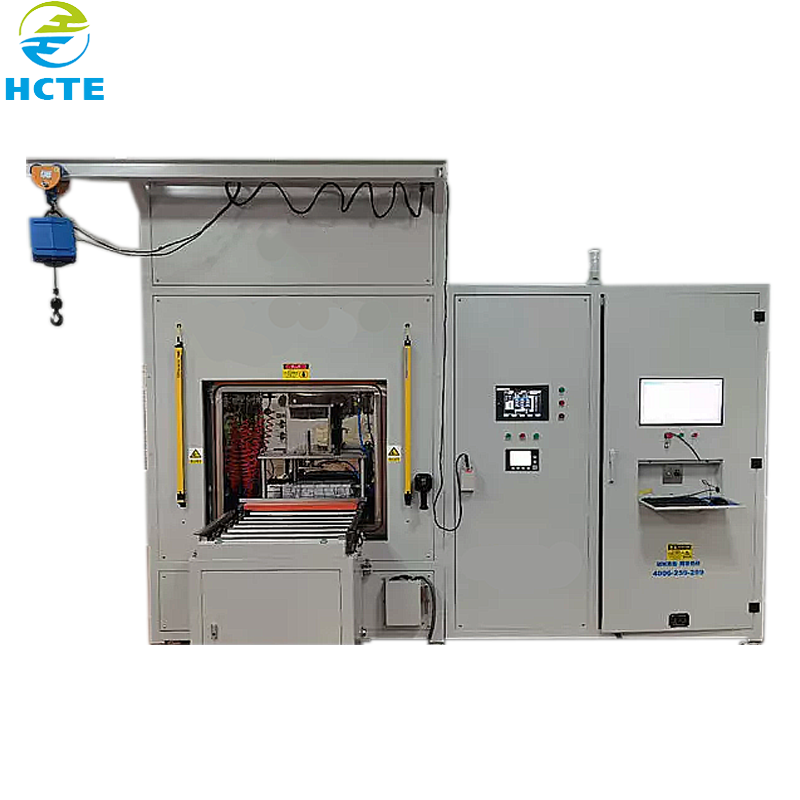
Product Introduction
Direct-cooled plates should maintain reliable sealing performance throughout their service life. Even a tiny leak path can affect the integrity of the cooling circuit and ultimately impact the stability of thermal management.
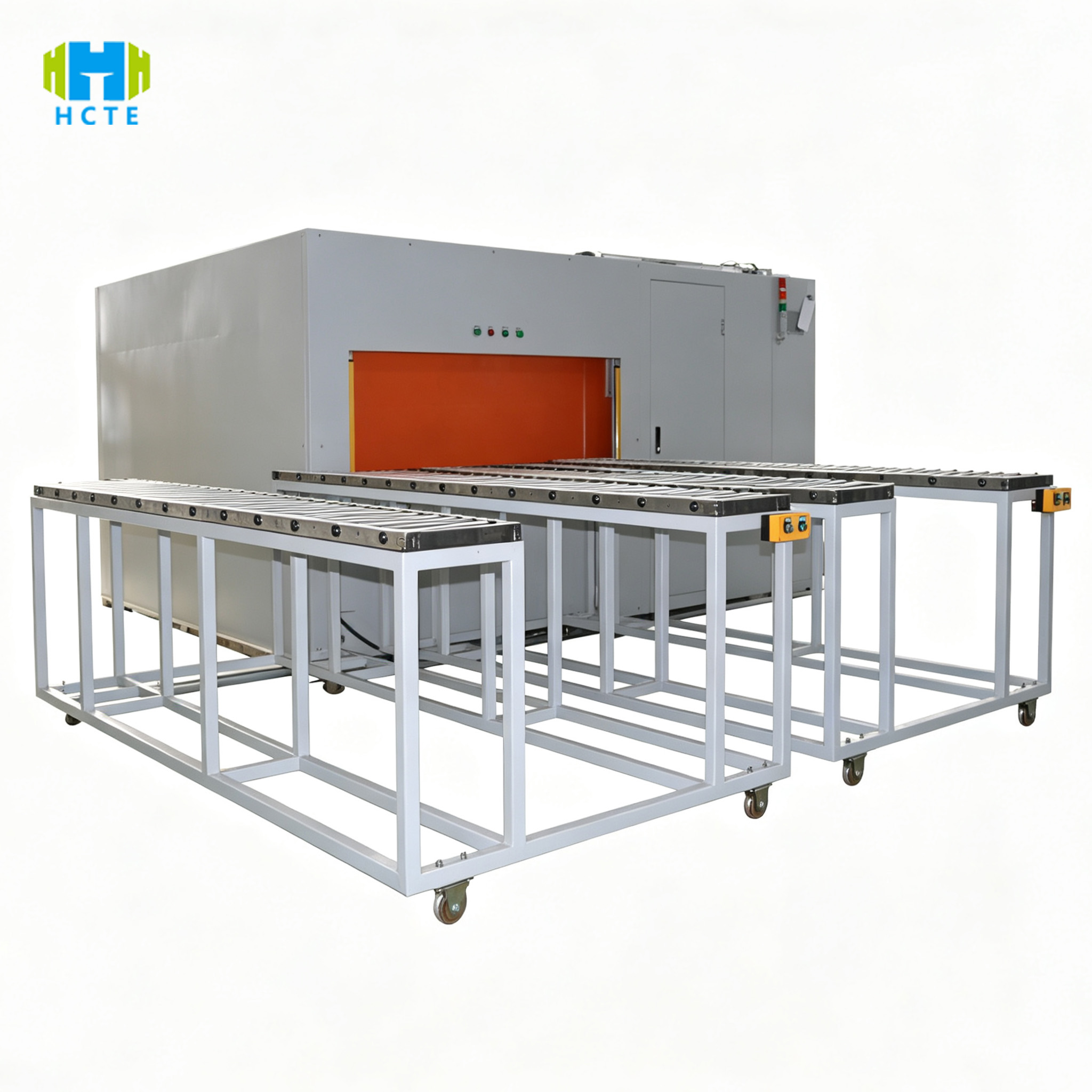
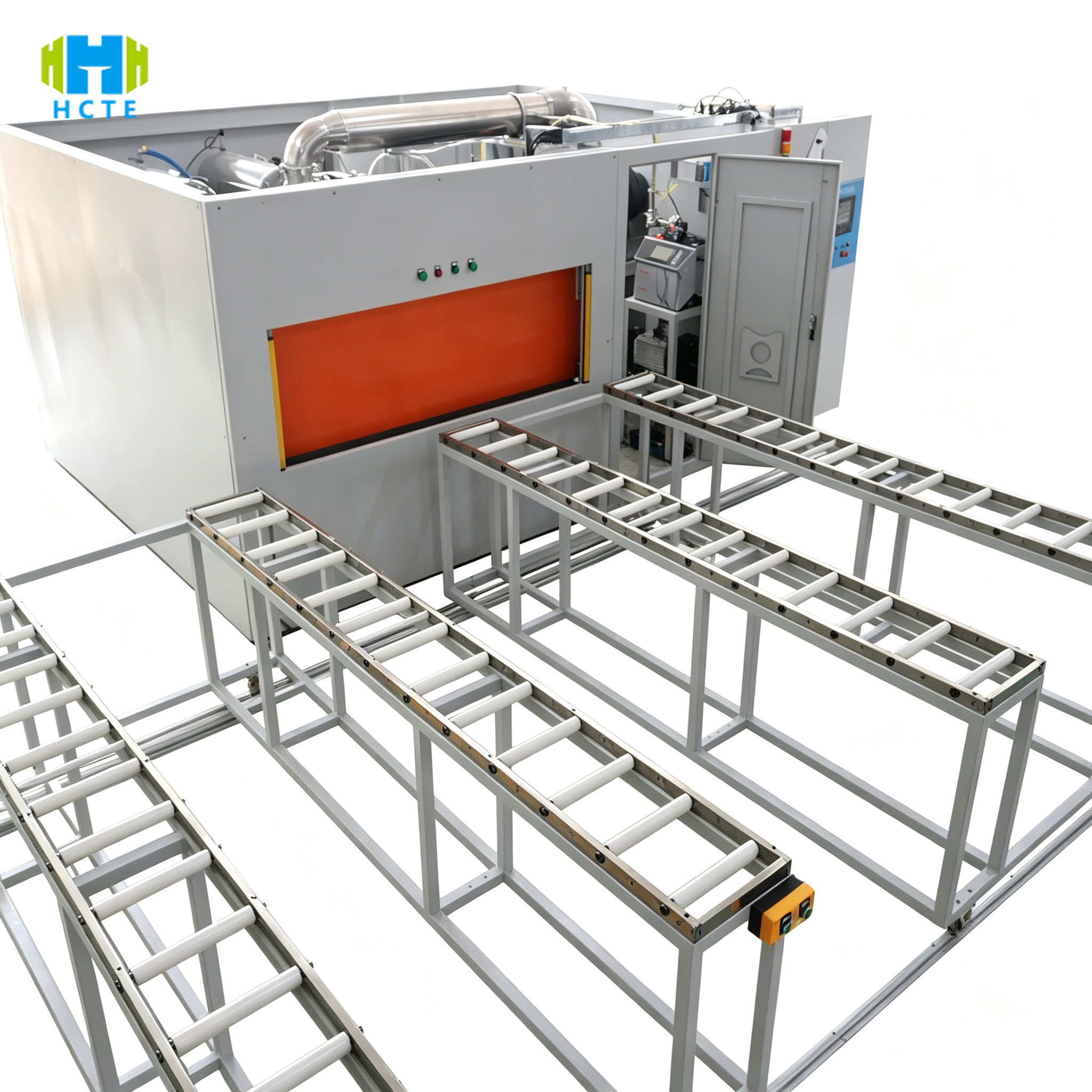
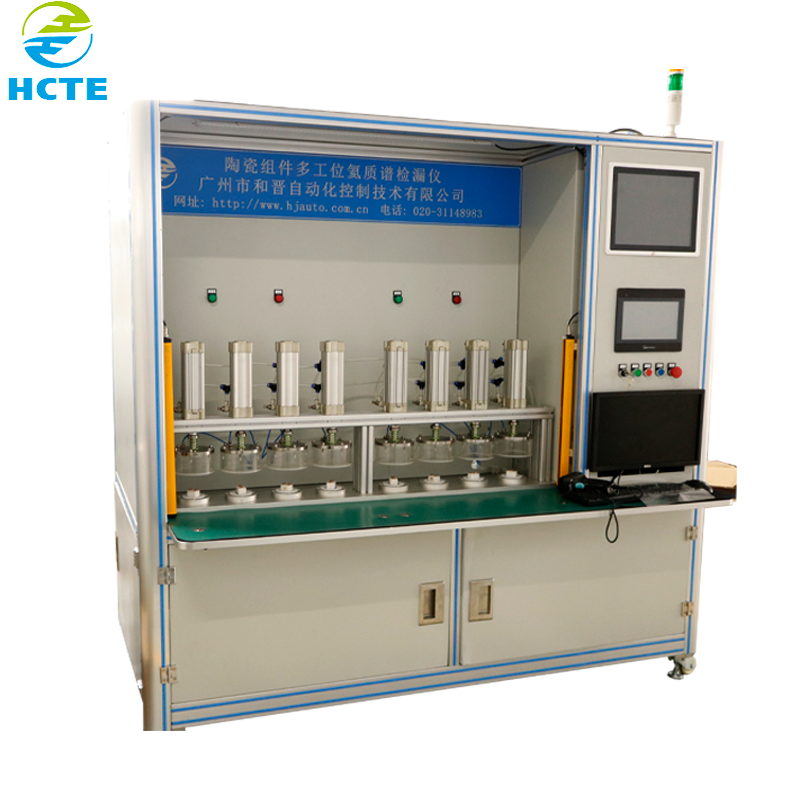
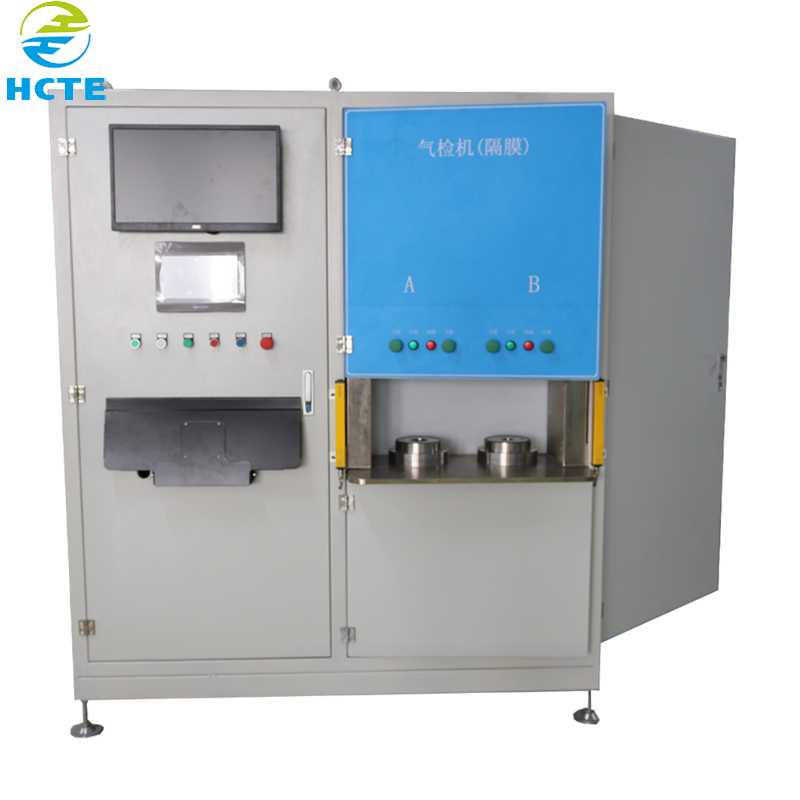
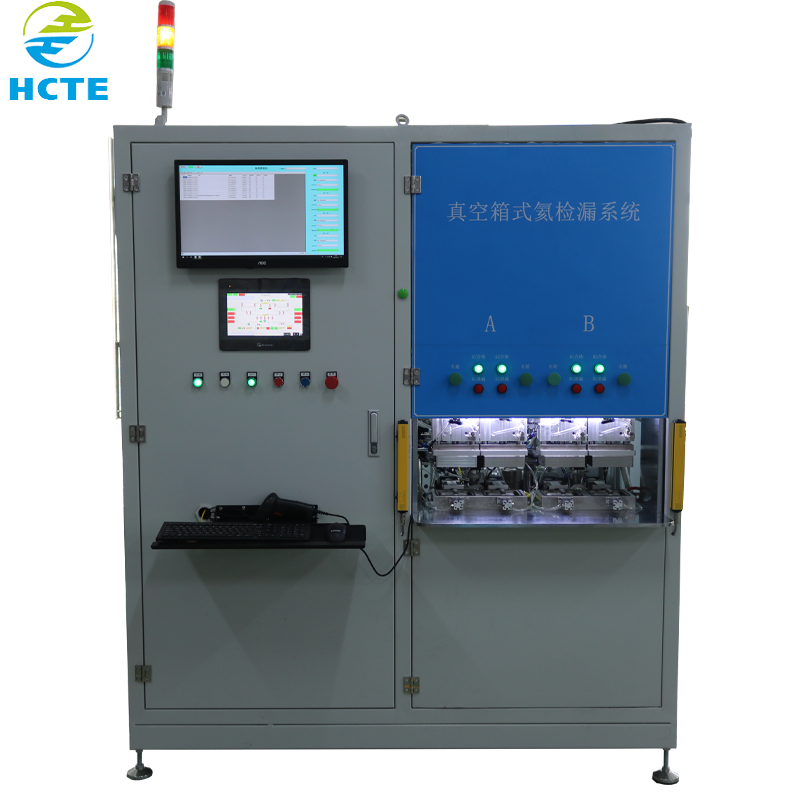
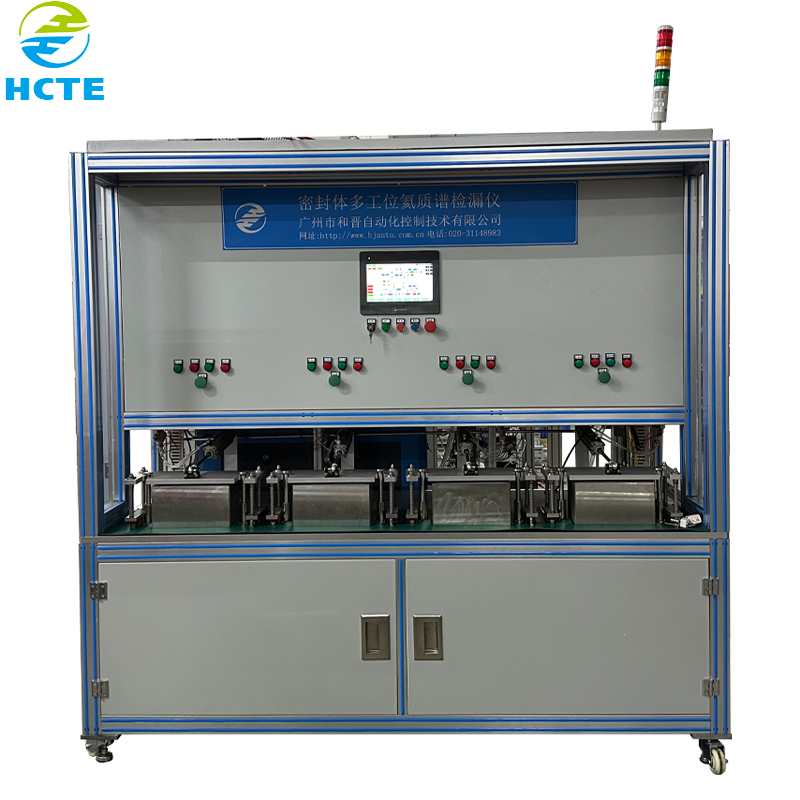
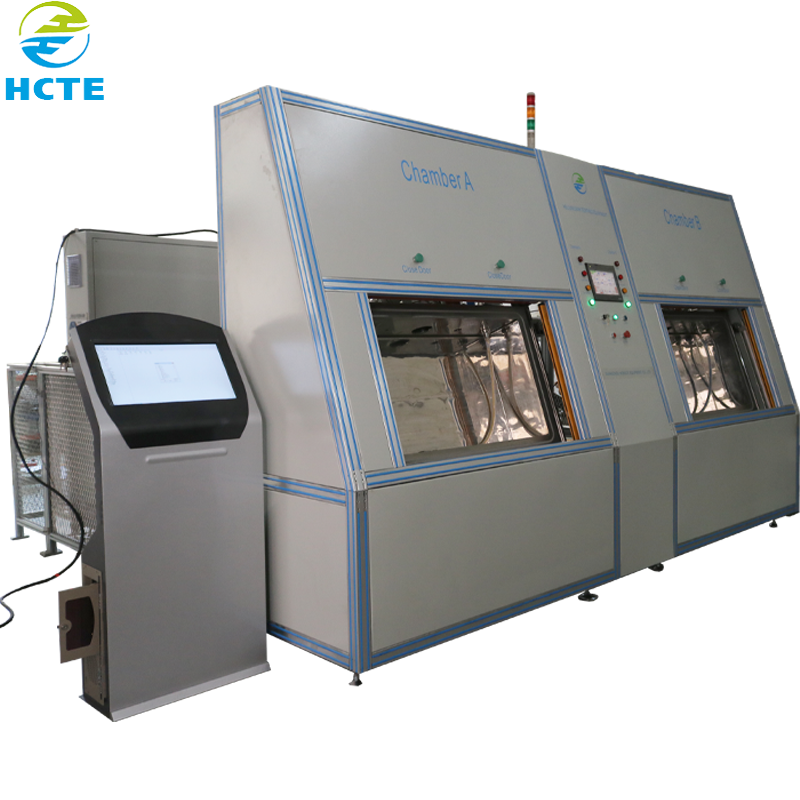
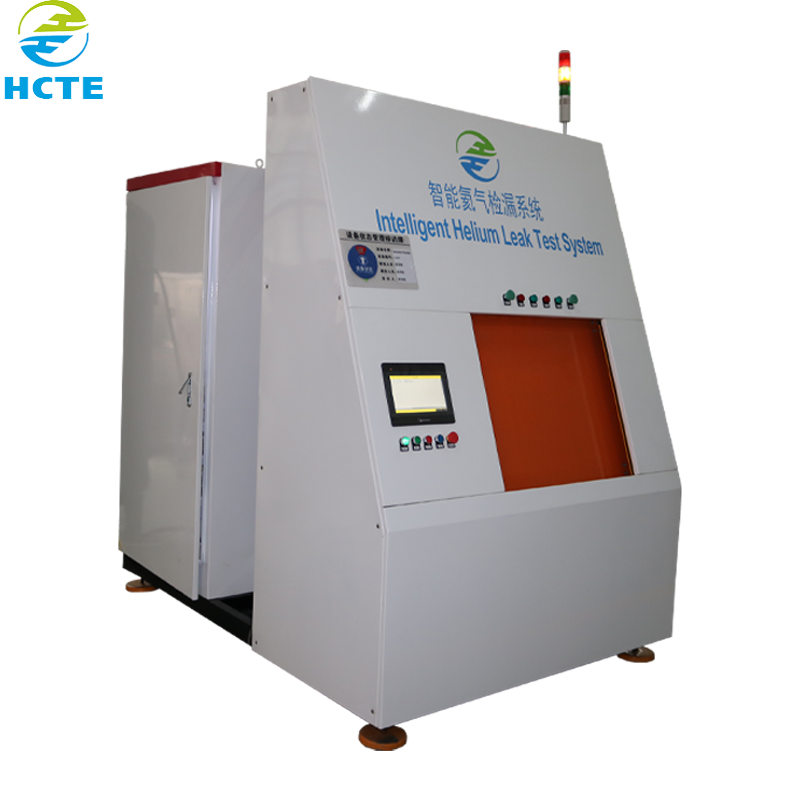
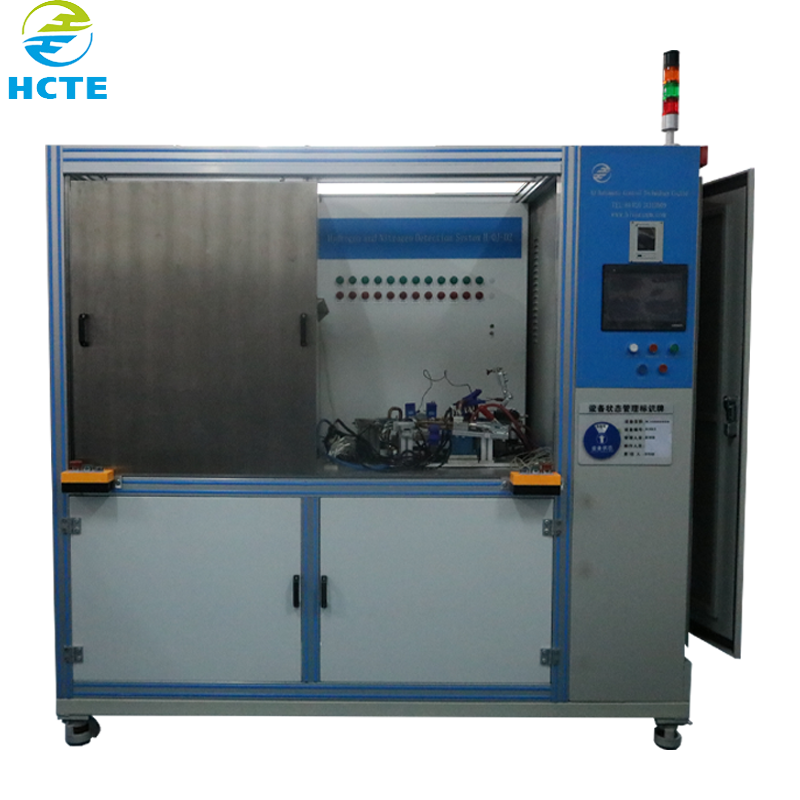
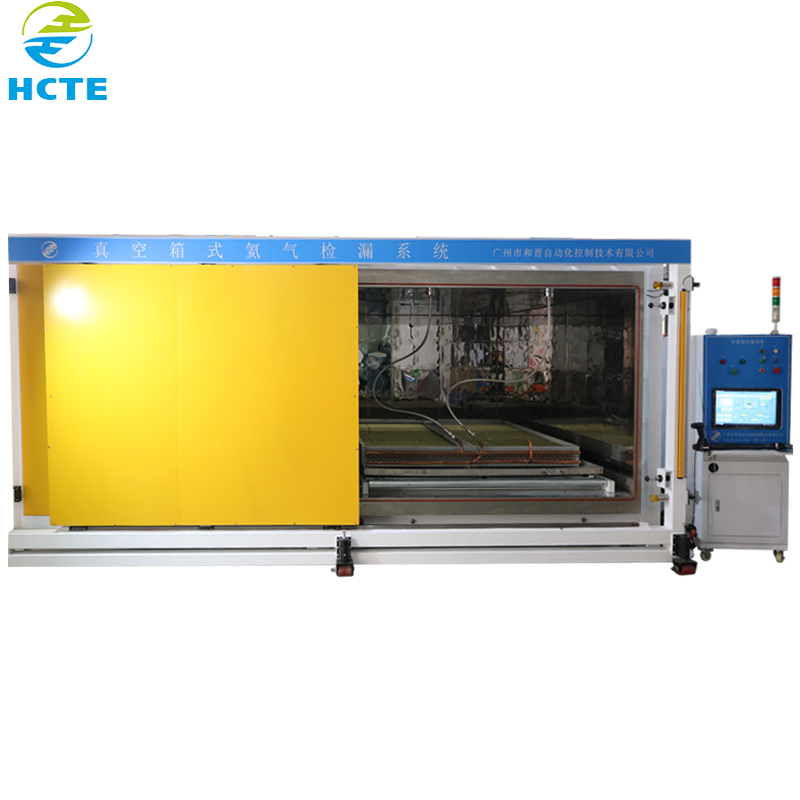
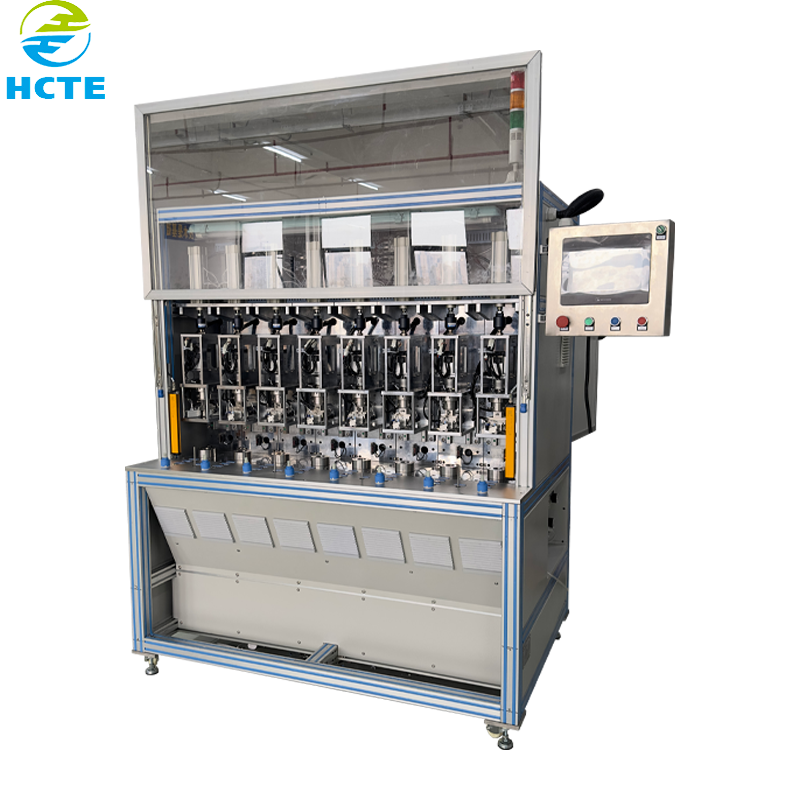
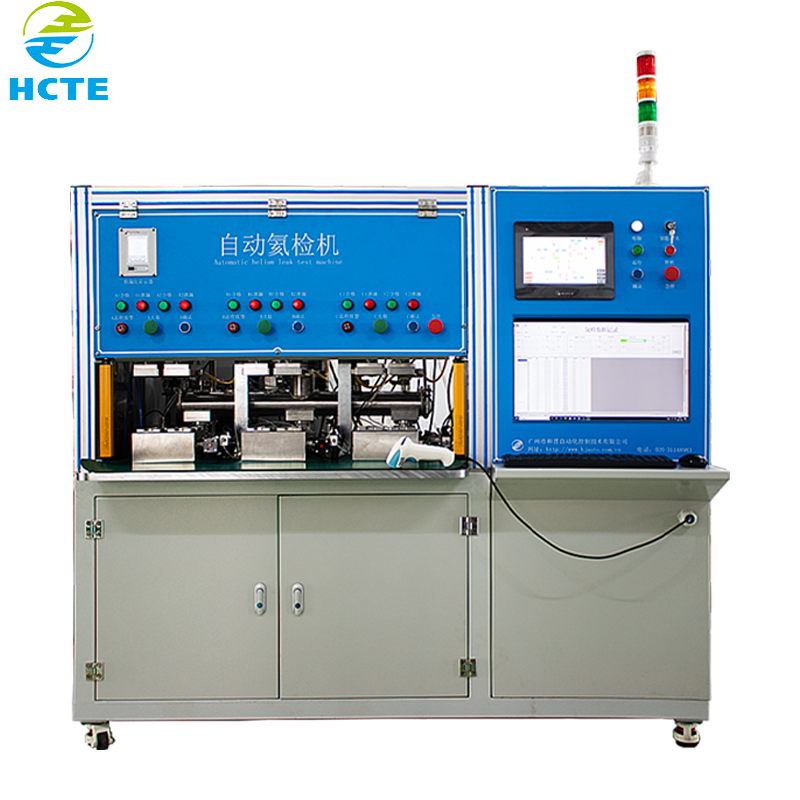
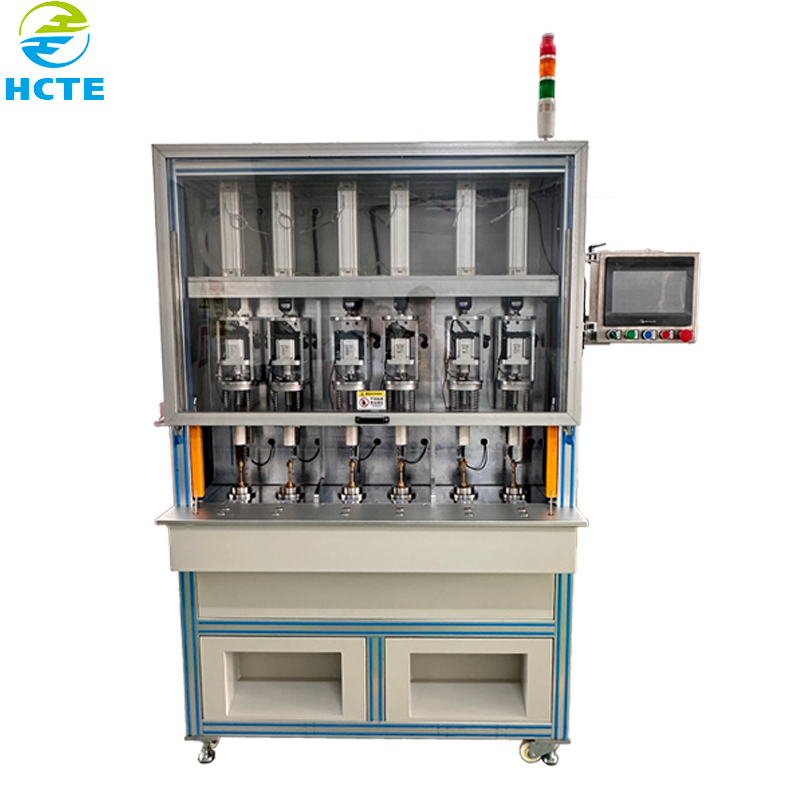
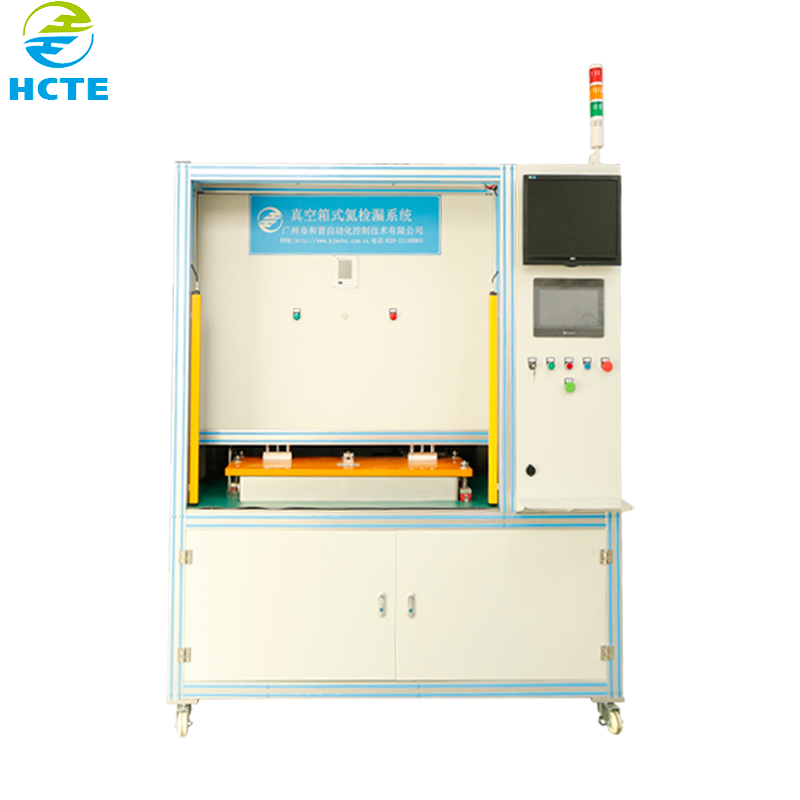
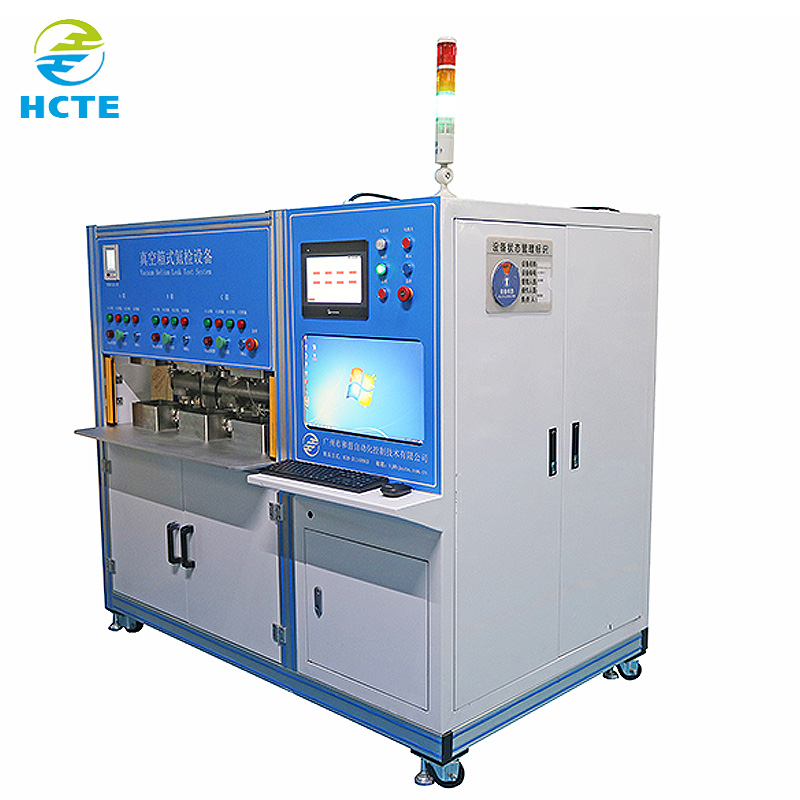
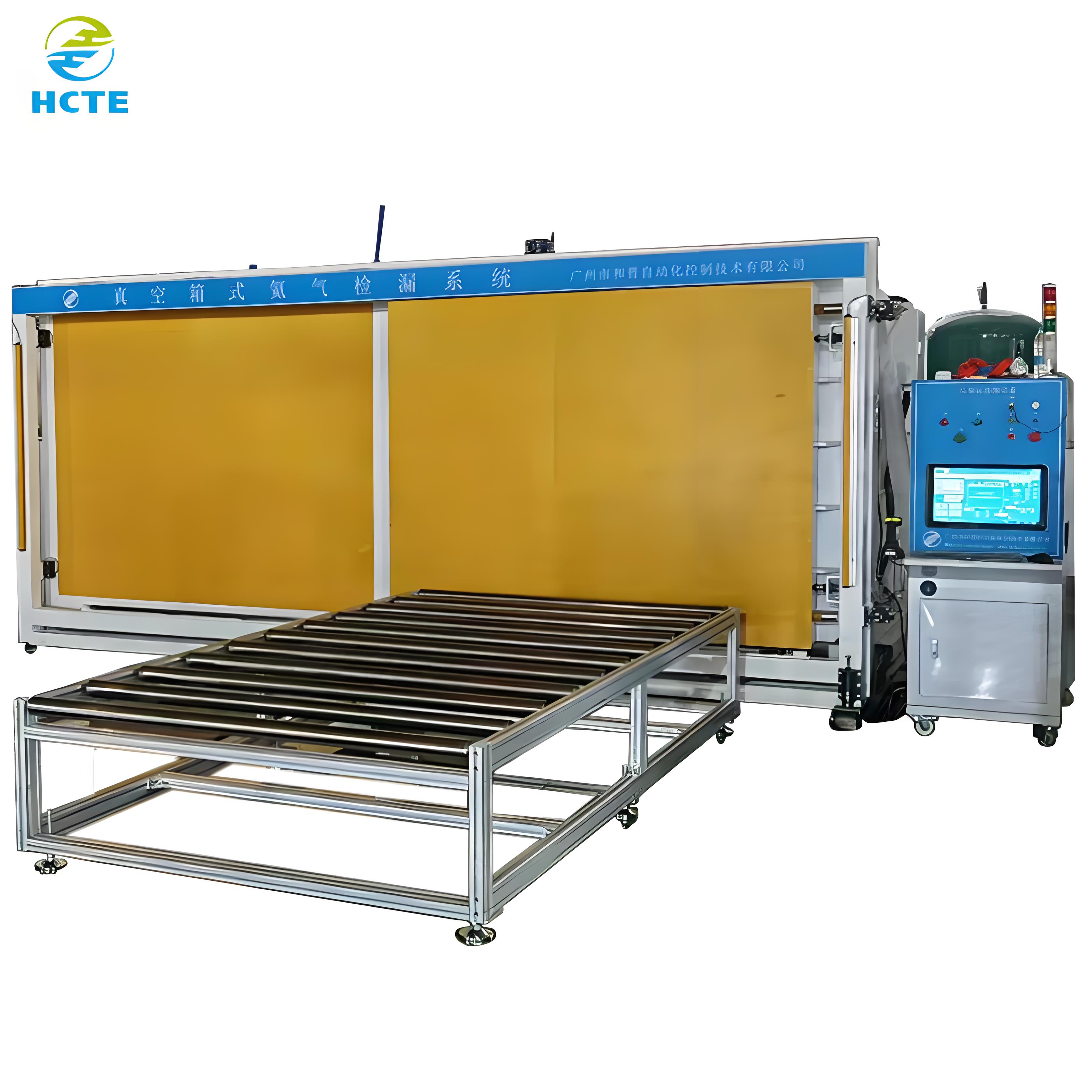
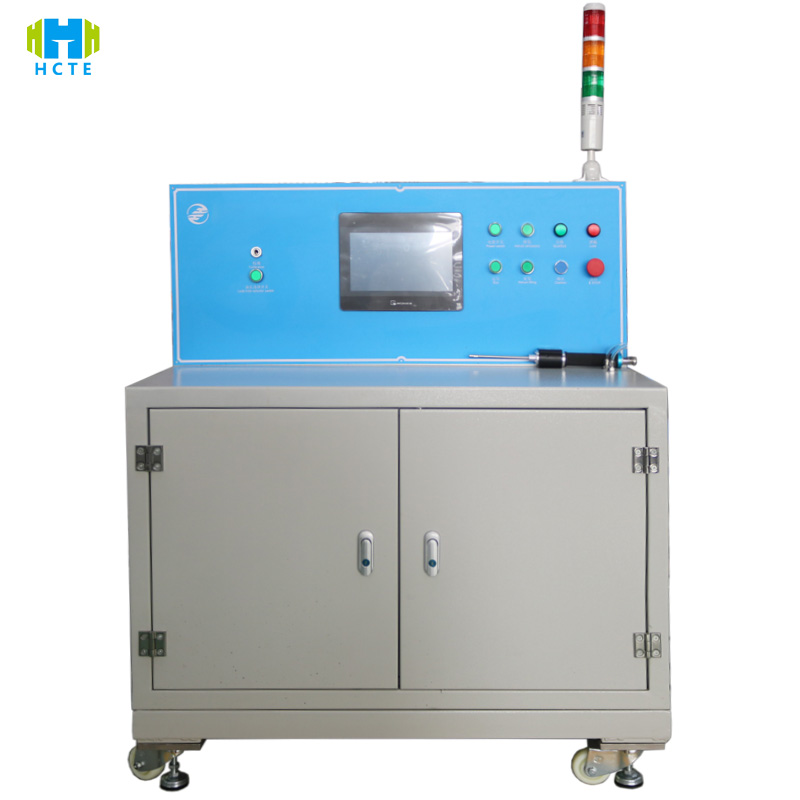
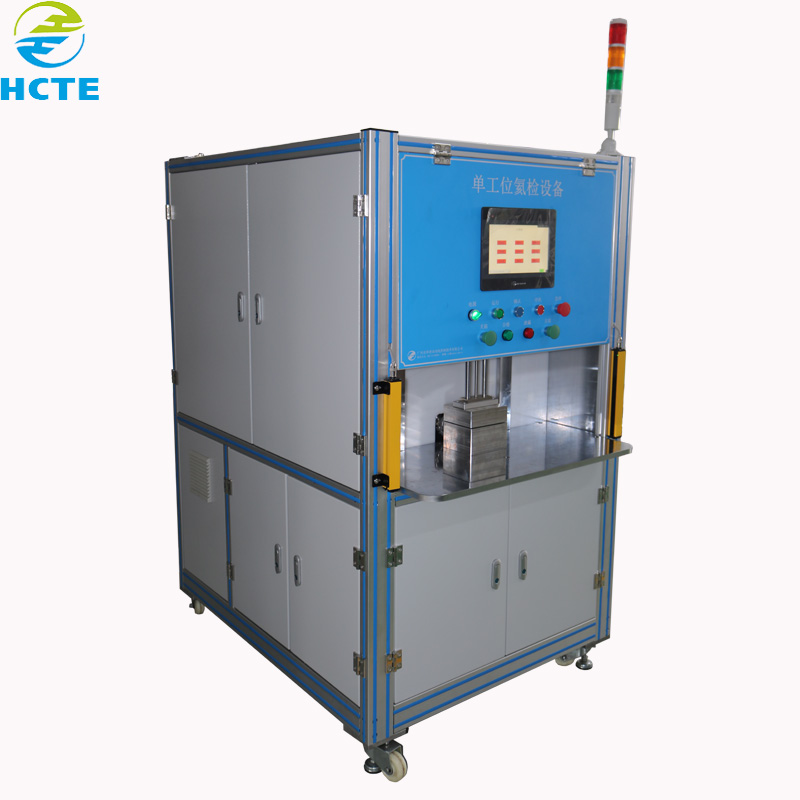
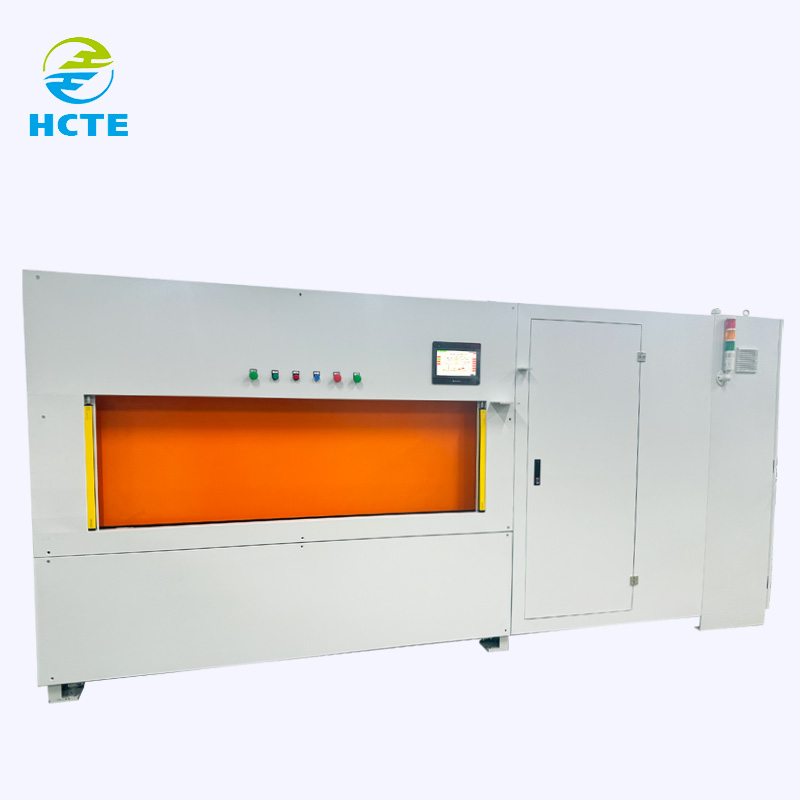
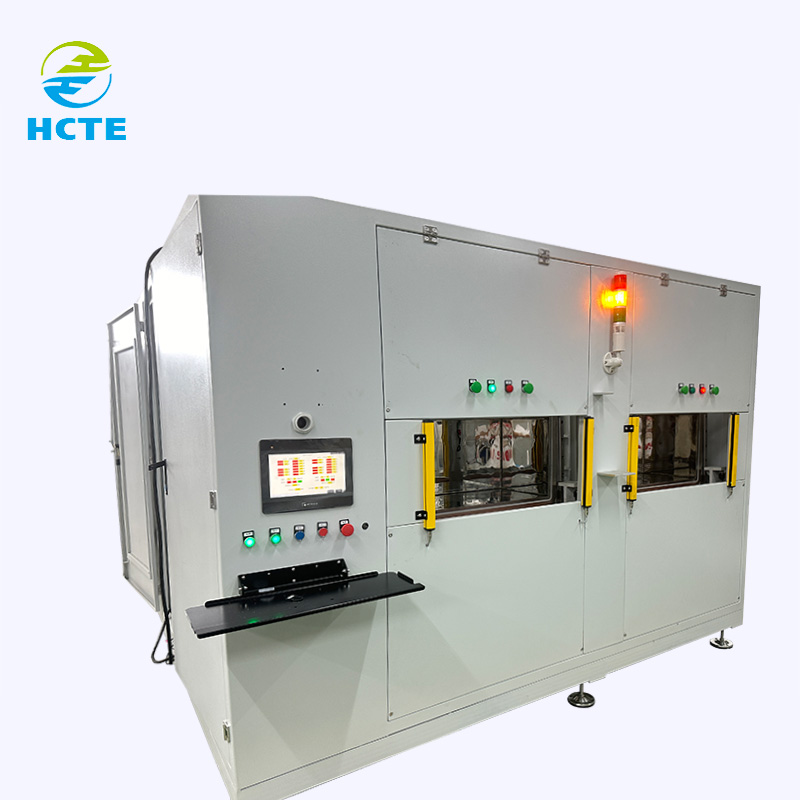
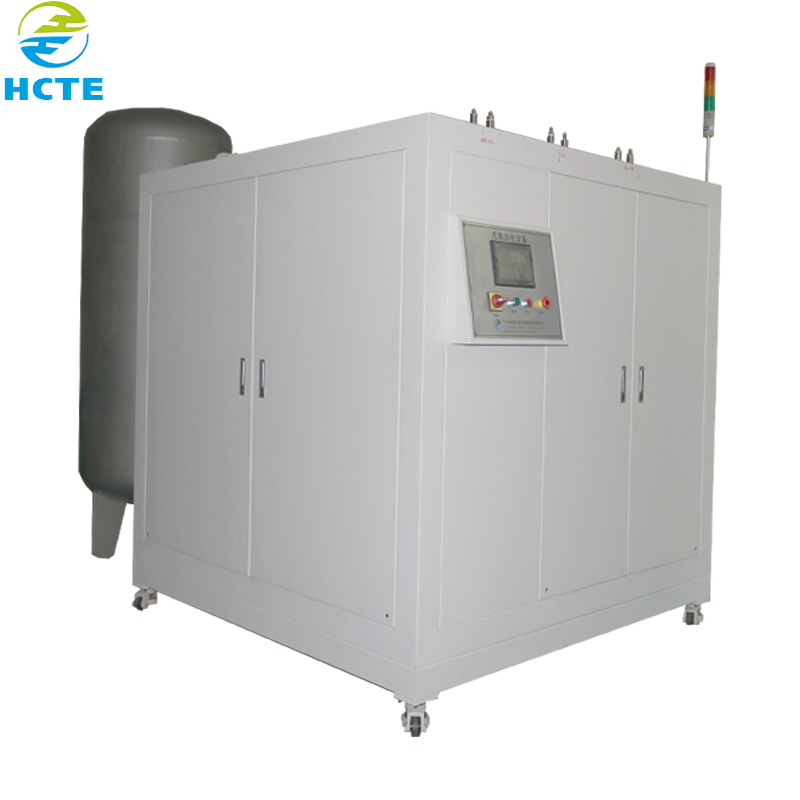
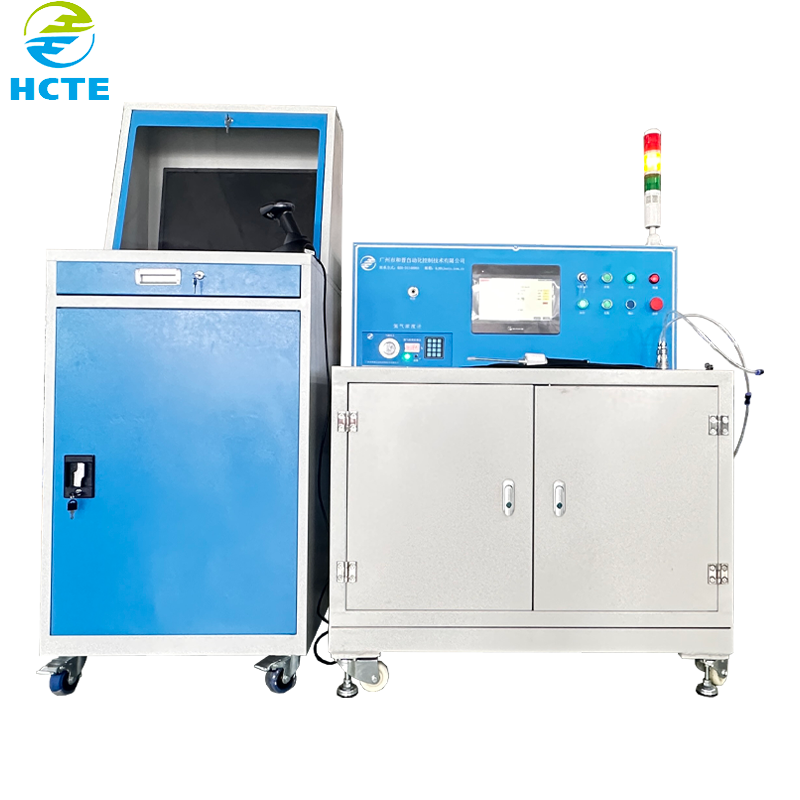
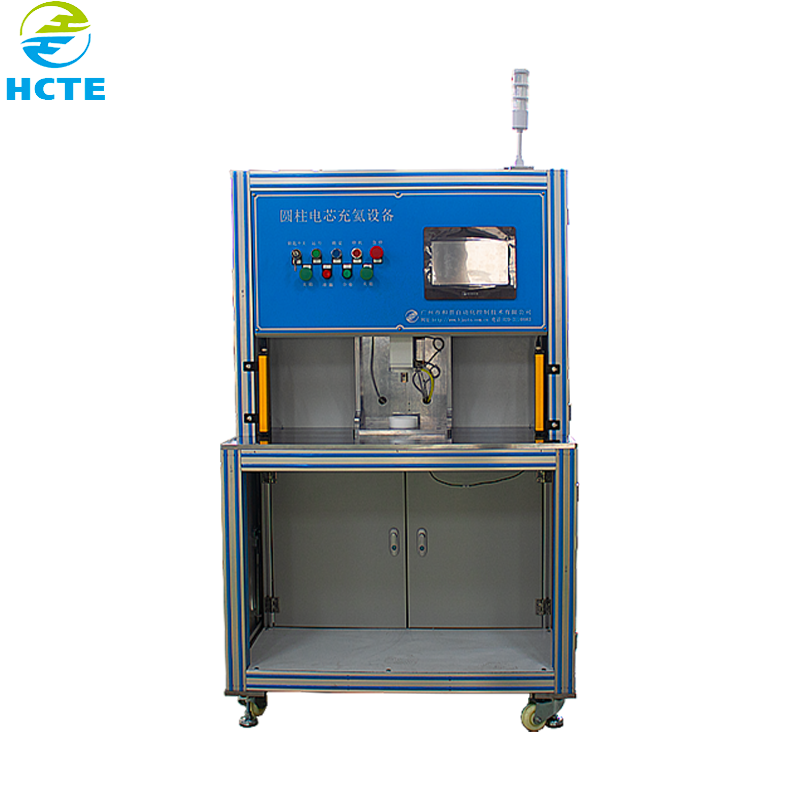
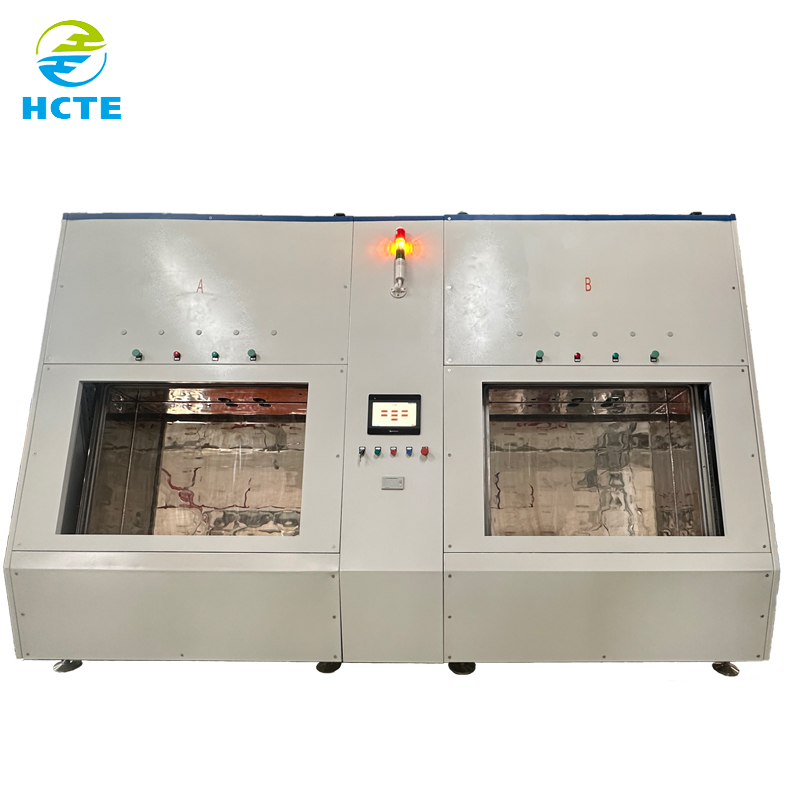
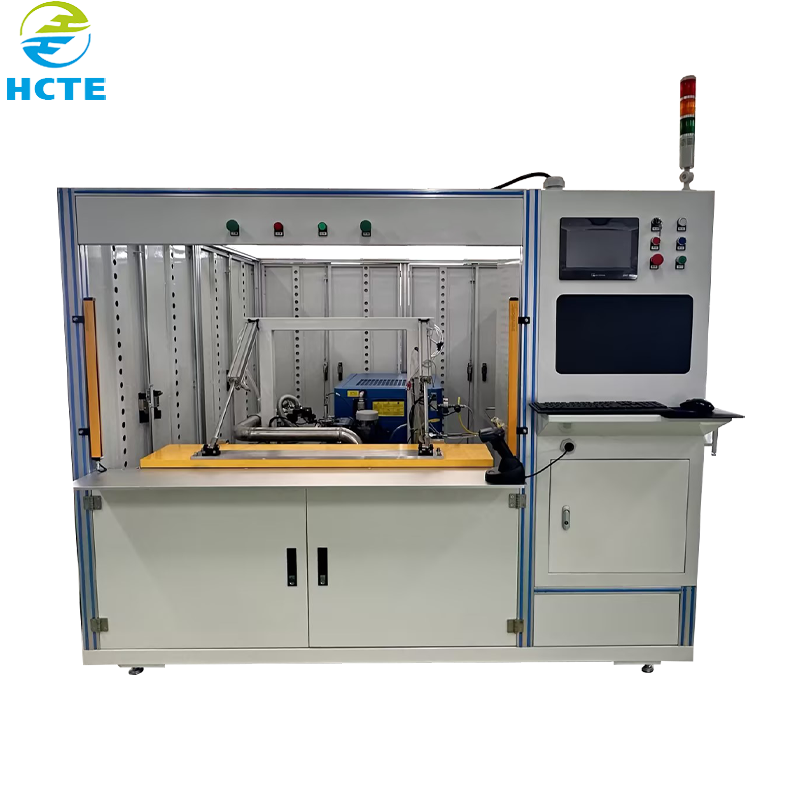
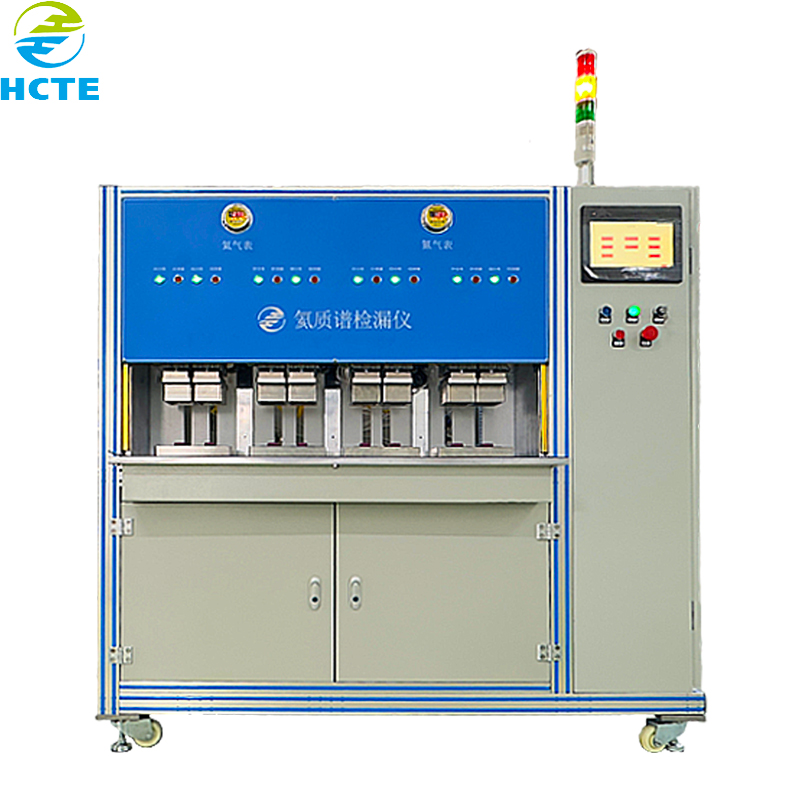
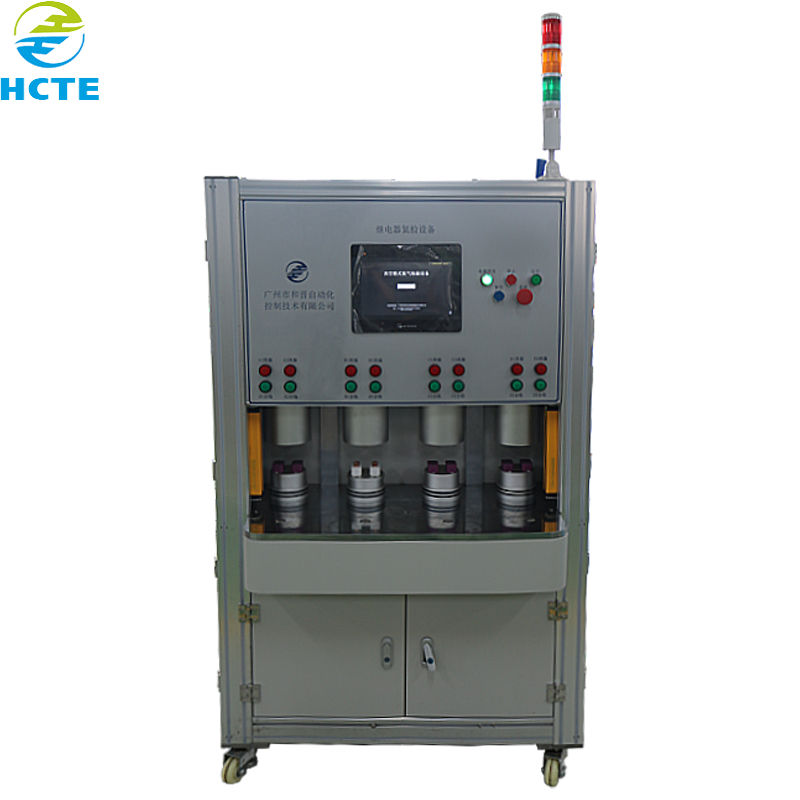
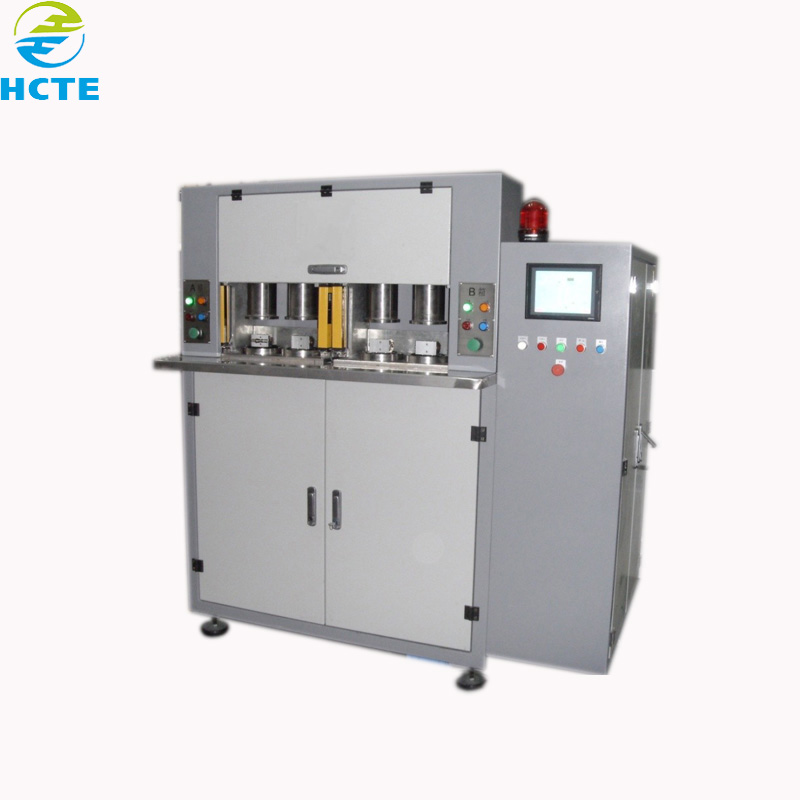
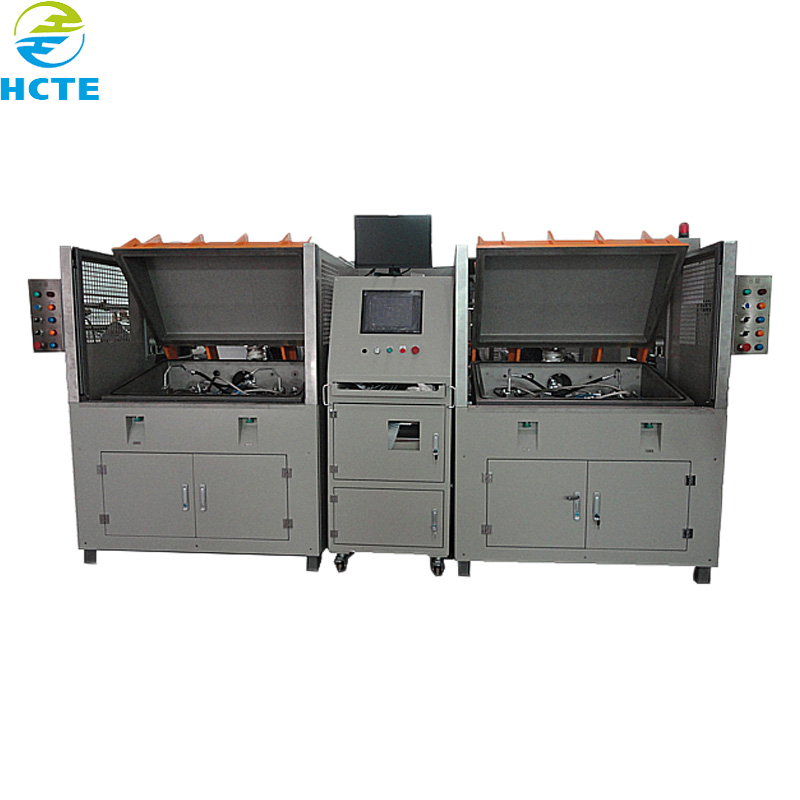
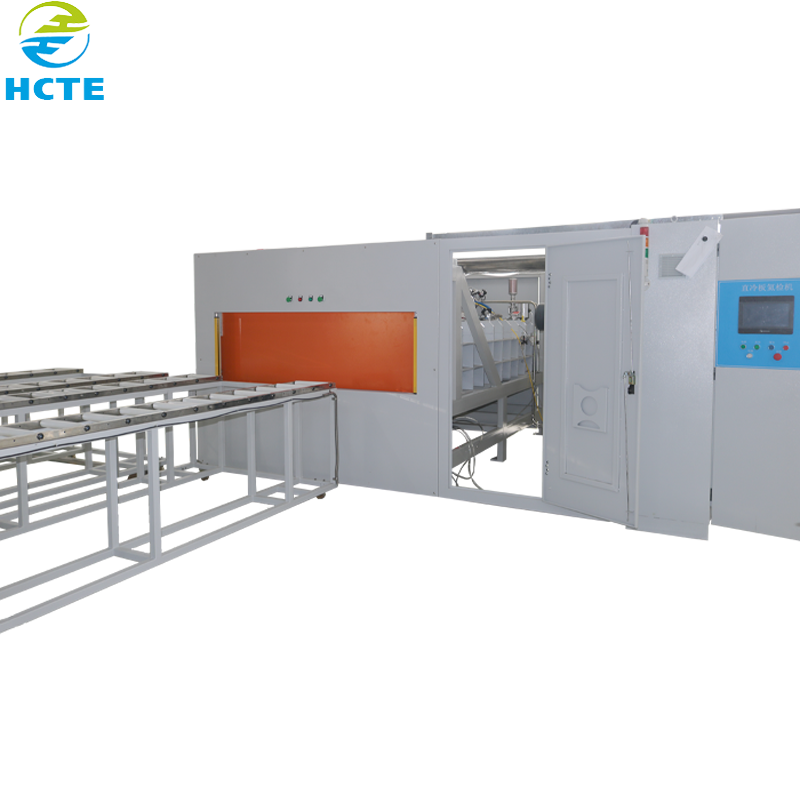
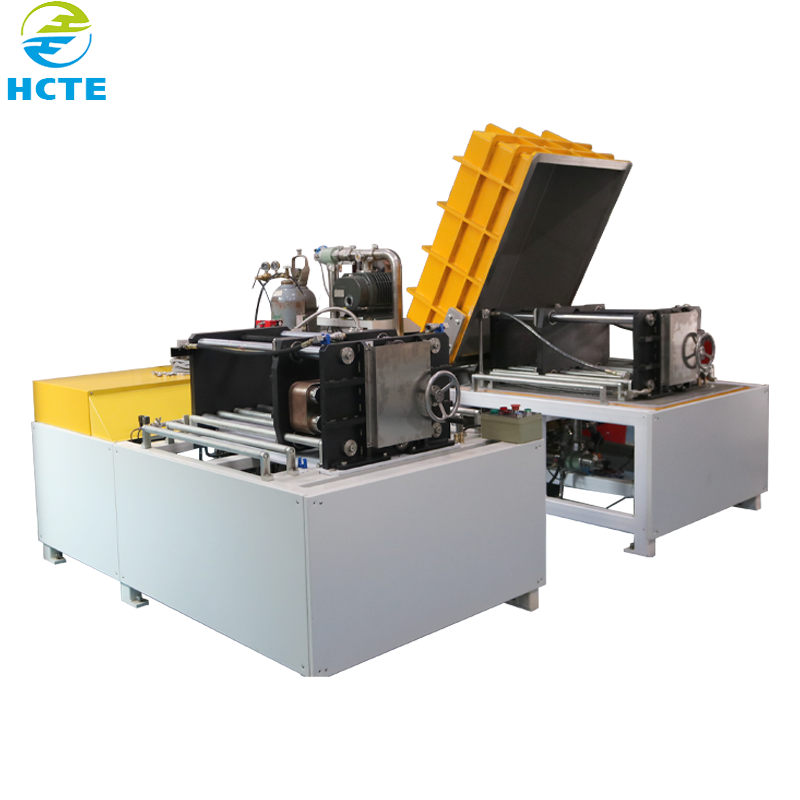
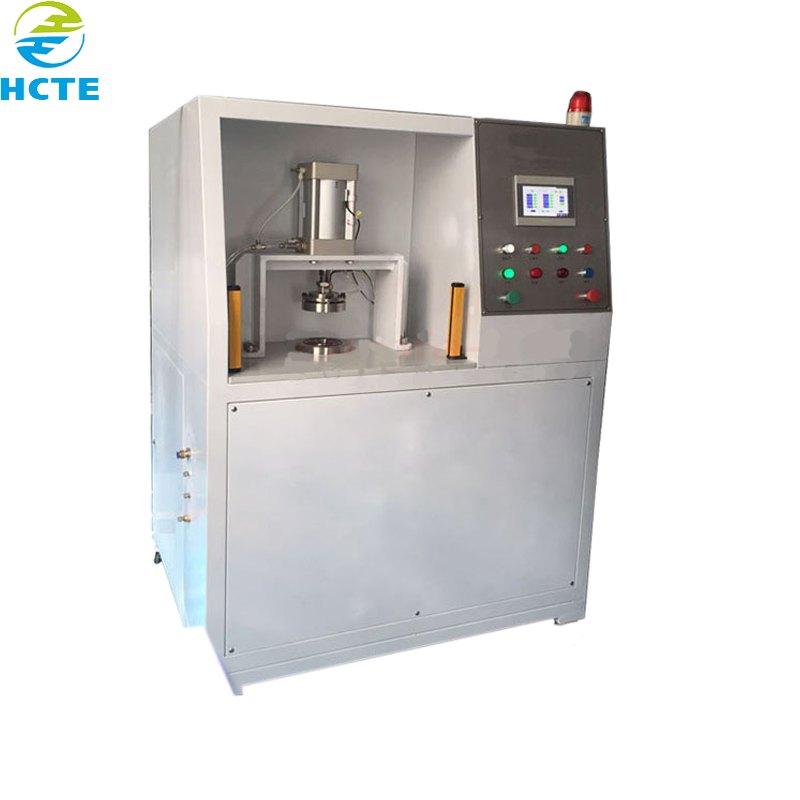
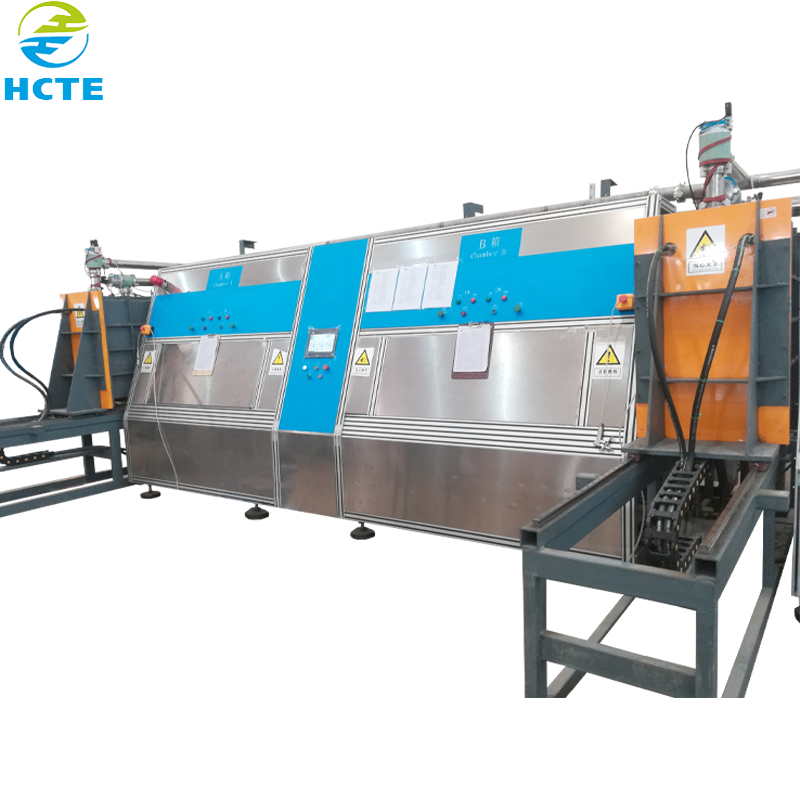
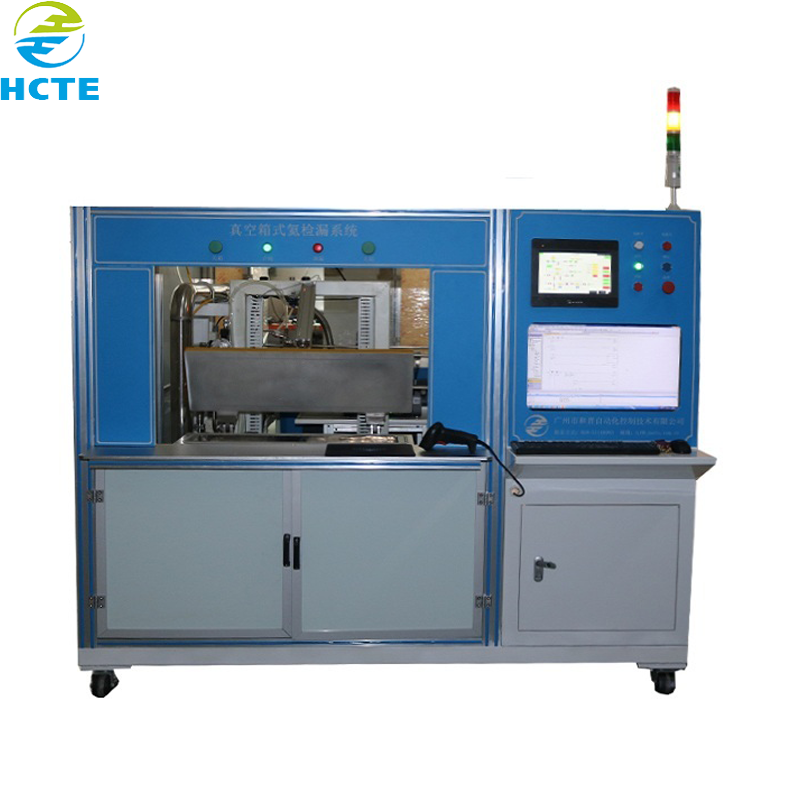
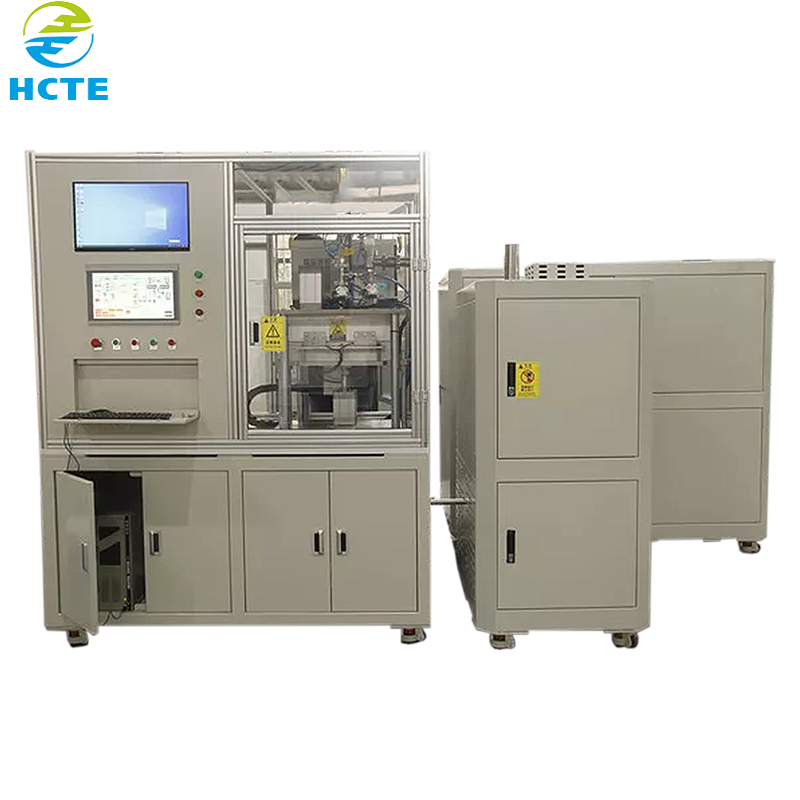
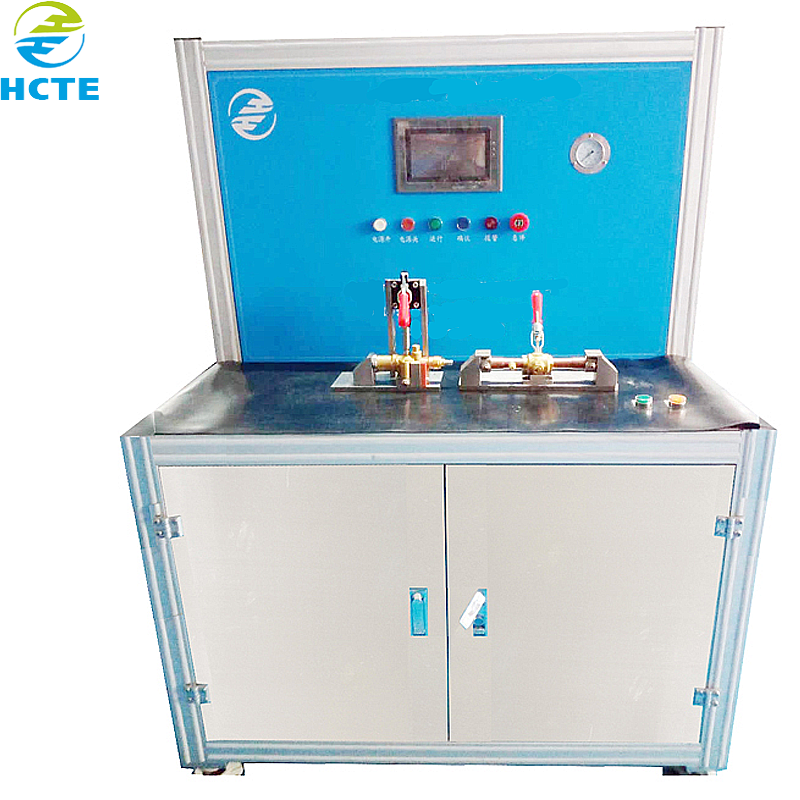
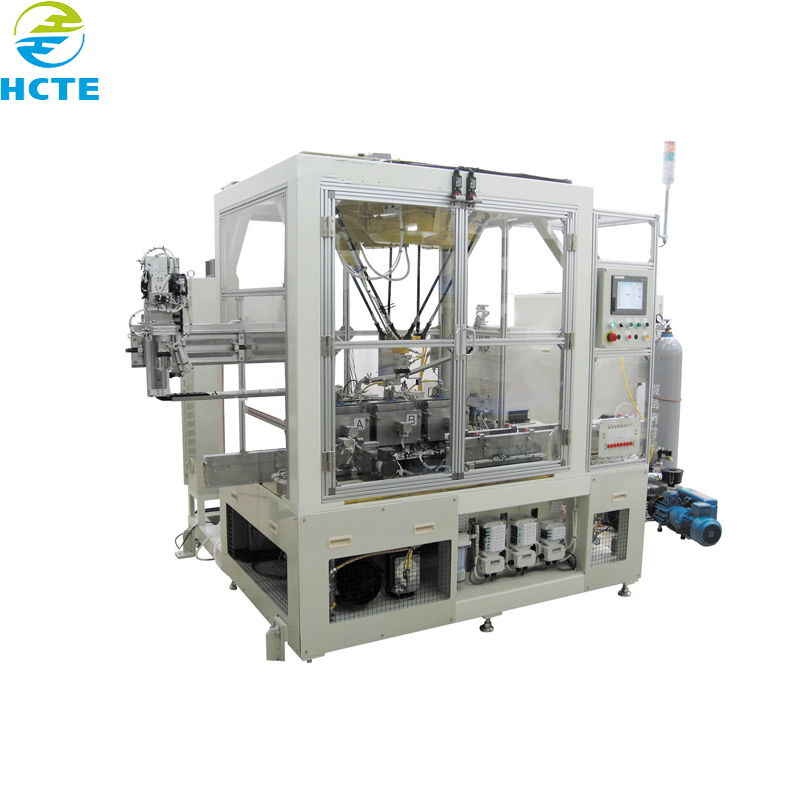
This direct-cooled plate helium leak detector uses helium as the tracer gas. Following a pre-set test procedure, the workpiece is first evacuated and then filled with helium. The helium leak detection system detects helium escaping through the leak path to determine if the workpiece meets the pre-set leak requirements.
The standard procedure includes:
Loading → Scanning → Workpiece Vacuuming → Preliminary Leak Detection → Vacuuming → Helium Filling → Helium Leak Detection → Helium Recovery → Unloading
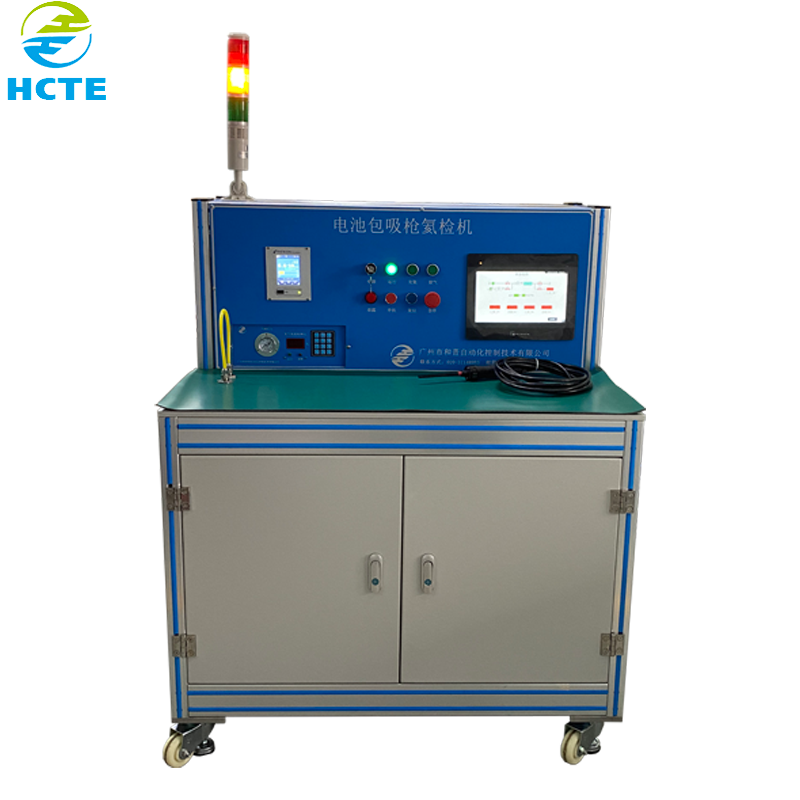
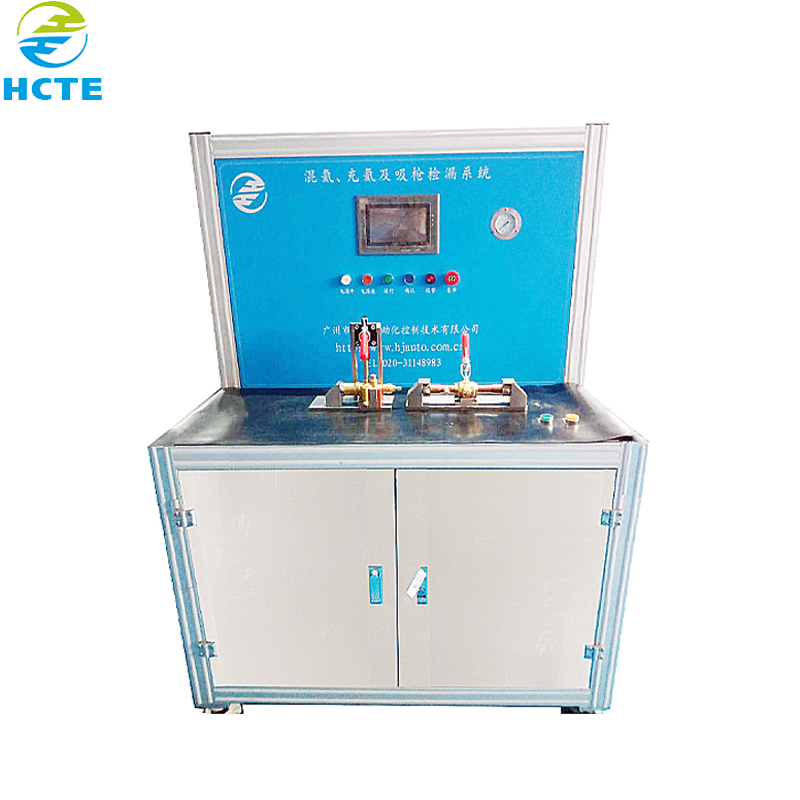
When a leak is detected, the system can also switch to a suction gun leak location mode to help operators pinpoint the approximate location of the leak.
This combination makes the system suitable not only for final inspection but also for production line quality control, where repeatable testing and efficient helium management are crucial.
Product Features
- Integrated Vacuum Leak Testing Process
The equipment integrates workpiece evacuation, gross leak inspection, helium filling, helium detection, recovery, and unloading into one testing workflow.
- High-Sensitivity Helium Detection
The system detects helium signals inside the vacuum chamber to determine the leakage condition of the workpiece.
The published specification gives a leakage alarm rate of <1 × 10⁻⁶ mbar·L/s.
- Adjustable Helium Filling Pressure
The helium filling pressure is adjustable from 0 to 4 MPa and is equipped with a pressure-reducing valve. The system automatically stops filling when the preset pressure is reached.
- Helium Recovery System
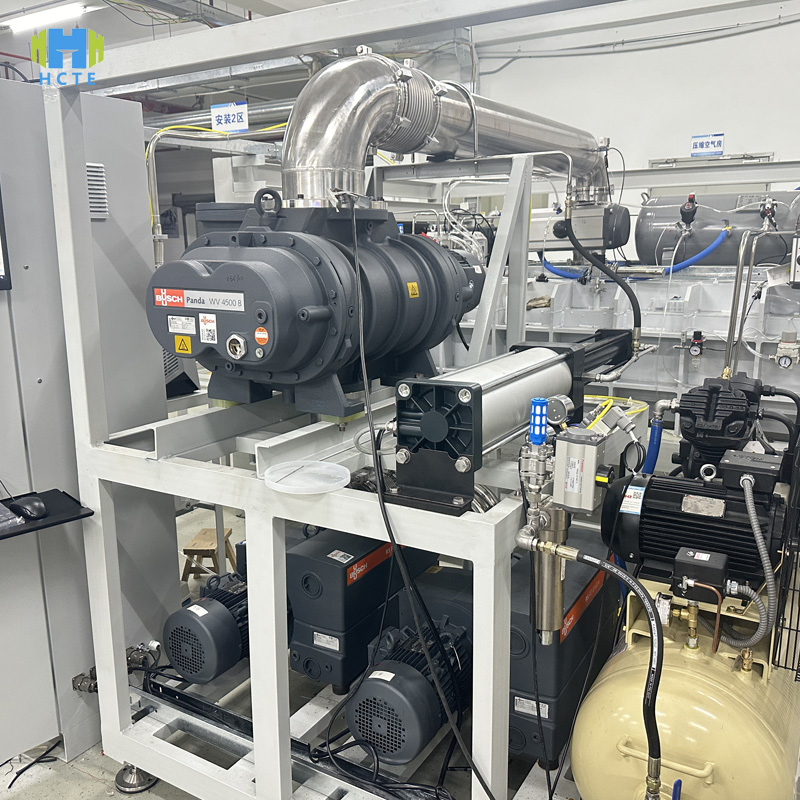
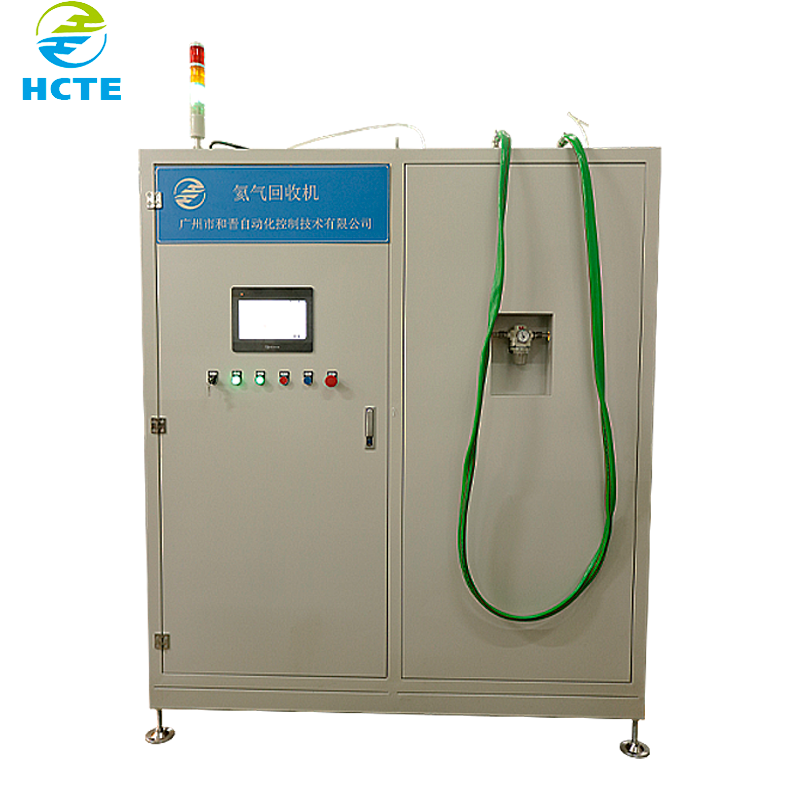
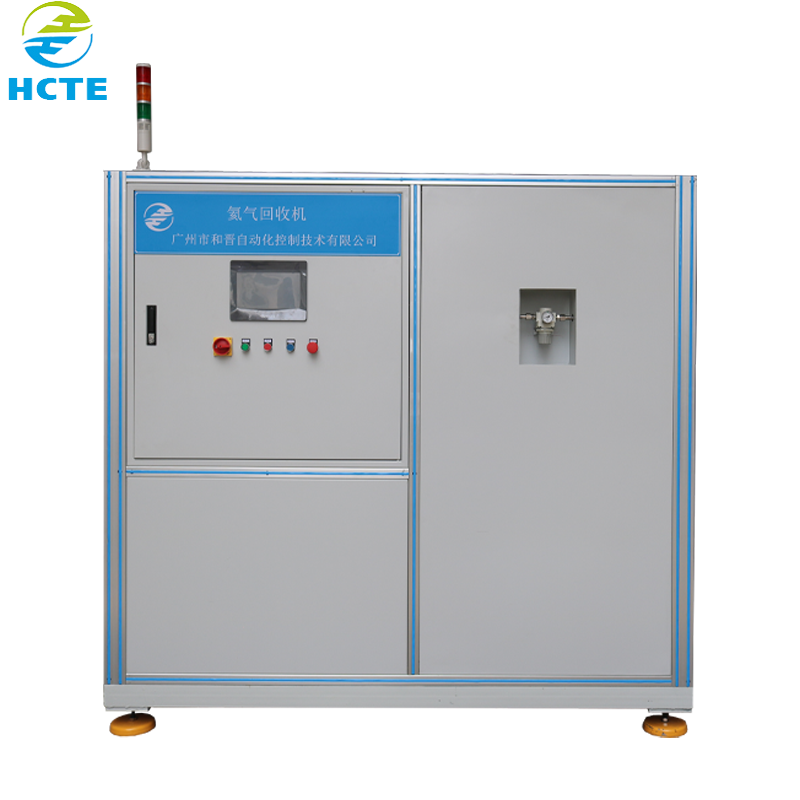
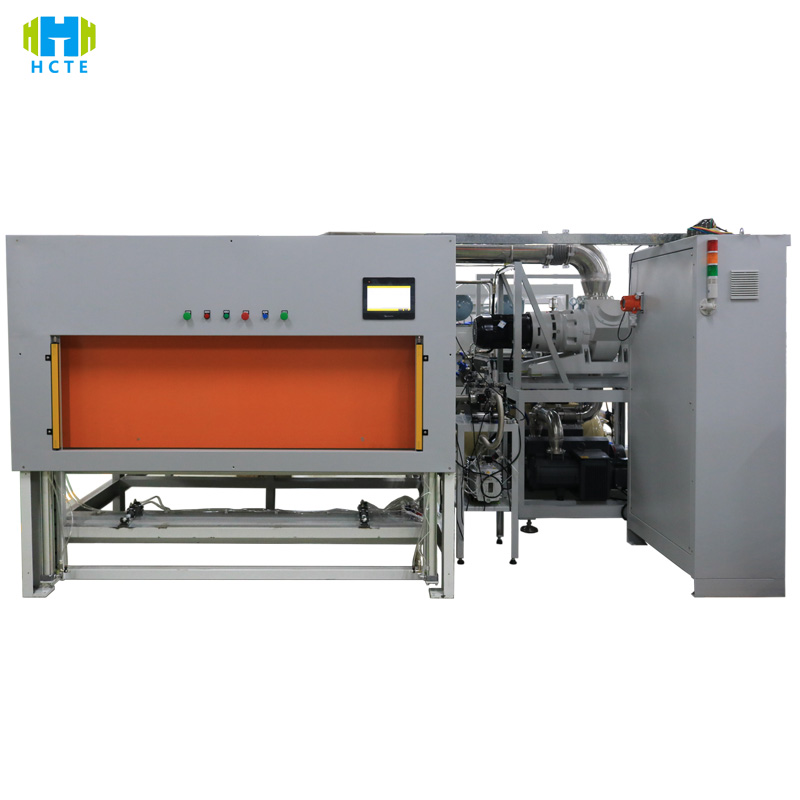
Instead of simply releasing helium after testing, the equipment incorporates a helium recovery unit consisting of a buffer tank, compressor, low-pressure vessel, valves, and connecting pipelines.
This design allows helium to be recovered from the workpiece within the configured process time.
- Automatic Helium Replenishment
As helium is recycled, its concentration can gradually decrease. The automatic replenishment module can introduce fresh helium when the system concentration becomes insufficient.
Main Functions
| Testing Function |
Purpose |
| Workpiece evacuation |
Removes gas from the workpiece before helium detection |
| Gross leak detection |
Quickly identifies larger leakage conditions |
| Vacuum-decay testing |
Uses negative-pressure hold to evaluate gross leakage |
| Helium filling |
Introduces helium into the workpiece |
| Helium leak detection |
Detects helium escaping through leakage paths |
| Leakage judgment |
Determines whether the workpiece meets the configured alarm criterion |
| Helium concentration monitoring |
Monitors helium concentration during the process |
| Automatic helium replenishment |
Maintains the required helium condition during recycling |
| Helium recovery |
Recovers helium after the detection process |
| Leak-point localization |
Uses suction-gun mode for further investigation |
| Data/process control |
Supports controlled and repeatable testing procedures |
| Product loading/unloading |
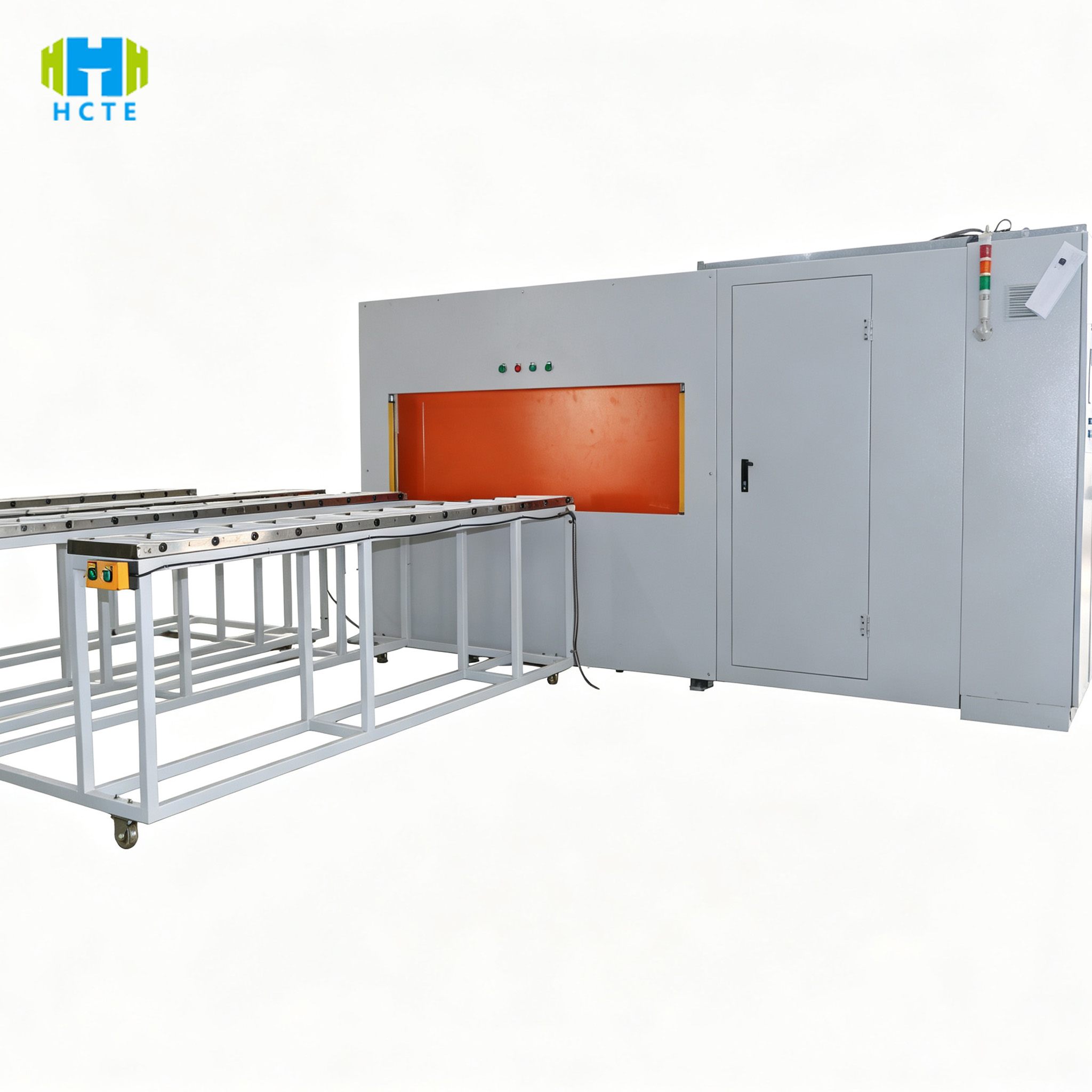
Transfers workpieces through the roller-conveyor system |
What Can Be Detected?
The main purpose of the system is to evaluate the sealing integrity of the workpiece.
- Overall sealing condition
- Gross leakage
- Fine helium leakage
- Leakage alarm status
- Leakage location after a failed test
The equipment is particularly useful when traditional pressure-hold inspection does not provide sufficient sensitivity for the required leakage criterion.
Technical Specifications
| Parameter |
Specification |
| Application |
Direct cooling plate helium leak testing |
| Workpiece type |
EB / EA |
| Maximum workpiece capacity |
3.2 L |
| Vacuum chamber quantity |
1 |
| EB chamber loading capacity |
1 piece |
| EA chamber loading capacity |
1 or 2 pieces |
| Leakage alarm rate |
<1 × 10⁻⁶ mbar·L/s |
| Product entry/exit |
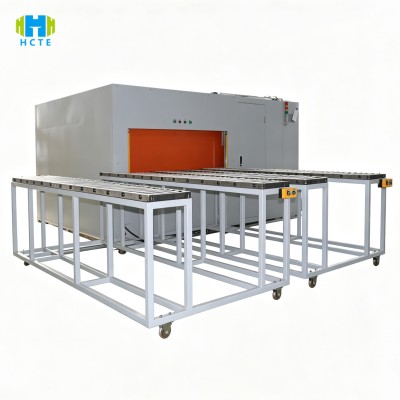
Roller conveyor with loading plate |
| Chamber-door protection |
Safety light grids |
| Helium charging pressure |
0–4 MPa |
| Helium pressure control |
Pressure reducing valve equipped |
| Gross leak detection method |
Negative-pressure hold / vacuum decay |
| EB cycle time |
180 s/pc per chamber |
| EB cycle loading/unloading time |
Included 70 s |
| EA cycle time |
180 s/2 pcs per chamber |
| EA cycle loading/unloading time |
Included 70 s |
| Helium detection mode |
Vacuum chamber detection |
| Leak localization mode |
Suction-gun mode |
| Helium concentration control |
Automatic online monitoring |
| Helium replenishment |
Automatic |
| Helium recovery |
Integrated recovery unit |
| Recovery system components |
Buffer tank, compressor, low-pressure vessel, valves and piping |
| Vacuum system |
Vacuum pumps, vacuum measurement system, valves and piping |
| Helium filling system |
High-pressure helium tank, valves and piping |
| Frame material |
Iron/aluminum profiles |
| Cover plate material |
Painted iron |
| Cover plate finish |
RAL 7035 light gray |
| Warranty |
1 year |
Core Technology
Helium Mass-Spectrometry Leak Detection
The fundamental technology is tracer-gas leak detection using helium.
ISO 20485:2017 defines tracer-gas leak testing as a method using a tracer gas together with a tracer-gas-specific leak detector. The standard covers the principles of detection, tracer-gas flow, apparatus, object preparation, testing techniques, and test reporting.
For helium applications, a mass spectrometer can be used as the tracer-gas detector. ISO 20485 specifically identifies a mass spectrometer tuned to the selected tracer gas, generally helium-4, as one physical detection method.
Comparison: Helium Leak Detection vs. Conventional Leak Testing
| Feature |
Helium Leak Detection |
Conventional Pressure-Decay Testing |
| Fine leakage detection |
Strong capability |
More limited depending on product |
| Tracer gas detection |
Yes |
No |
| Vacuum chamber detection |
Yes |
Not necessarily |
| Gross leak screening |
Yes |
Yes |
| Leak-point localization |
Available through suction-gun mode |
Usually requires additional inspection |
| Helium recovery |
Available |
Not applicable |
| Suitable for low allowable leakage rates |
Yes |
Depends heavily on product volume and test conditions |
| Process integration |
High |
High |
| Best use |
High-sensitivity sealing inspection |
General airtightness screening |
The two methods are not necessarily competitors. In many production environments, gross leak screening and fine helium detection can work together as complementary stages.
Detailed images
FAQ
1. What is this helium leak detection equipment mainly used for?
It is primarily designed for sealing inspection of direct cooling plate workpieces, especially applications requiring sensitive leakage detection.
2. What is the maximum workpiece capacity?
The published specification lists a maximum workpiece capacity of 3.2 L for EB/EA workpieces.
3. What helium pressure can the system provide?
The published helium charging pressure range is 0–4 MPa, with a pressure-reducing valve.
4. What is the leakage alarm rate?
The published leakage alarm rate is <1 × 10⁻⁶ mbar·L/s.
5. How many vacuum chambers does the equipment have?
The standard published configuration has one vacuum chamber.
6. Can the machine locate the actual leak position?
Yes. In addition to helium detection inside the vacuum chamber, the equipment can switch to suction-gun mode for leak-point localization.
About HCTE
Engineering Testing Solutions Built Around Real-World Production Needs
HCTE is a professional manufacturer specializing in the research, development, design, and production of industrial testing equipment and customized testing systems.
We understand that testing equipment is not simply a machine placed beside a production line. It is an important part of quality control, process improvement, and product reliability. That is why we focus on developing practical testing solutions that work with the customer's actual products, production processes, and quality requirements.
From the initial technical discussion to equipment design, manufacturing, commissioning, and after-sales support, our team works closely with customers to turn testing requirements into reliable equipment solutions.